Dark Archives (2019)
10–13 September 2019 · Oxford, English Faculty
A conference on the medieval unread and unreadable that aimed to ‘crystallize and advance the field’ by bringing together archivists, intellectual historians and machine-learning researchers. Three days of talks (10–12 September) were followed by practical workshops on 13 September.
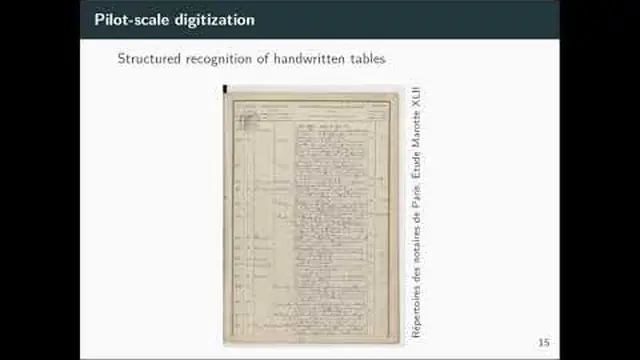
Day 2 · 11 Sep · Achieving Mass Transcription
The Limits to Digitization
Ben Kiessling (University of Leipzig)
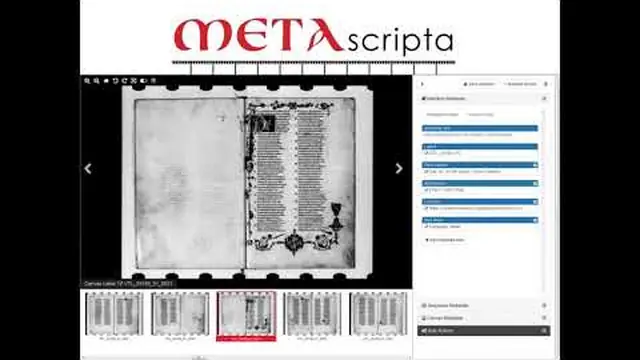
Day 2 · 11 Sep · How to Organize the Metadata Once We Have It
METAscripta
Debra Cashion (St Louis University)
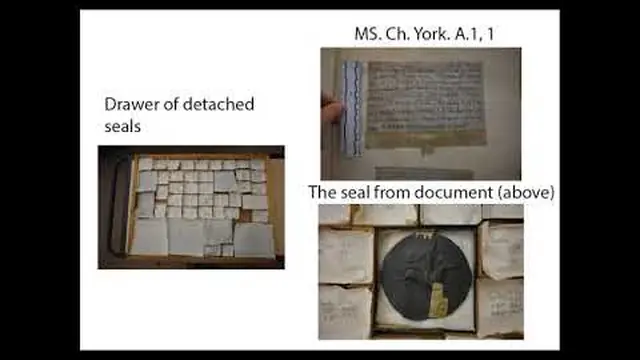
Day 2 · 11 Sep · How to Organize the Metadata Once We Have It
Reflectance Transformation Imaging and Medieval Seals
John McEwan (St Louis University)
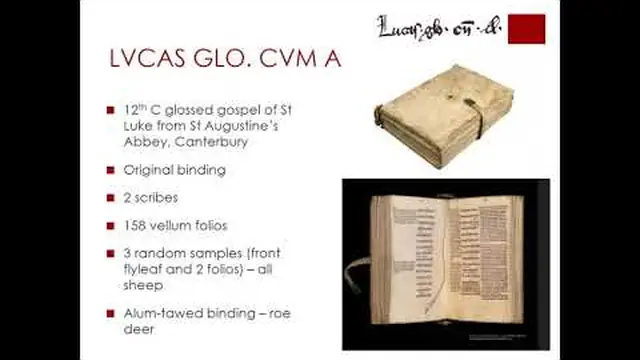
Day 2 · 11 Sep · How to Organize the Metadata Once We Have It
Manuscript Palaeoproteomics
Sarah Fiddyment (University of York)
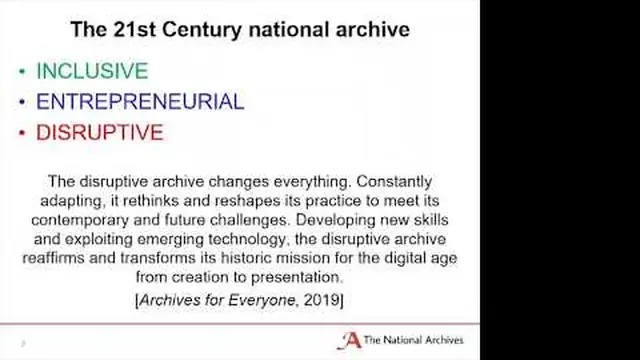
Day 2 · 11 Sep · What Role Archives? (pt. 1)
Peering into an impenetrable gloom and the “tyranny” of digital by design: the future of medieval collections at The National Archives (UK)?
Paul Dryburgh (The National Archives, Kew)
Day 3 · 12 Sep · The Edition …
Hidden in Plain Sight: The Obfuscation of Manuscript Evidence
Michael G. Sargent (City University of New York)
- programmeDark Archives: A Conference on the Medieval Unread and UnreadableProgramme on the Medium Ævum website: days 1 to 3 (10–12 September) and the workshops of 13 September.
- programmeProgramme page on the original conference siteArchived copy. The same programme as the Medium Ævum copy above.
- programmeReport on the Dark Archives Conference 2019 (Oxford Medieval Studies)Posted 25 August 2019 by Stephen Pink; despite its title, it carries the programme in advance. A note on it points to Ars Inquirendi as ‘the latest iteration in the conference series’.
- websiteDark Archives: A Conference on the Medieval Unread (TORCH event page)Archived copy. Event page at TORCH, the Oxford Research Centre in the Humanities, giving 10–12 September 2019.
- call for papersCall for papers on the original conference site (2018 version)Archived copy. Proposals of about 500 words by 31 December 2018. Banner art credited on the page to Edoardo Tresoldi (‘Etherea’), photography Roberto Conte and design Richard Rowley, by kind permission.
- call for papersCall for Papers: Dark Archives: A Conference on the Medieval Unread & Unreadable (TORCH, 27 March 2018)Archived copy. Abstracts of 500 words by 31 December 2018.
- call for papersCall for Papers: Dark Archives (TORCH, 22 November 2018)Archived copy. Two calls: ‘Quantifying the Dark Archives’ and ‘Bringing the Dark Archives to the Light’.
- call for papersCall for papers reposted on the RMBLF Agenda des MédiévistesThird-party repost of the English call, 1 November 2018.
- posterEmma Goodwin, ‘Crowdmap the Crusades’ (poster)Archived copy. One-page poster, linked from the Day 2 ‘Thought-Game’ panel of 11 September 2019.
- posterCall-for-papers poster image (TORCH)Image file attached to the TORCH call for papers of 22 November 2018.
- posterConference banner (Medium Ævum website)Image file on the 2019 conference page.
- posterEvent image (TORCH)Image file on the TORCH page for the conference.
- handoutNuns’ Dust: Rediscovering the Archive of North German Devotional CultureArchived copy. Two-page handout by Henrike Lähnemann for her talk of 10 September 2019.
- slidesHands-on Workshop on Assistive Technologies to Access the Contents of Handwritten Text ManuscriptsArchived copy. 54-page slide deck for the workshop of 13 September 2019, by Verónica Romero and the PRHLT HTR Team.
- slidesDavies and Zawacki workshop presentation (PowerPoint, Google Drive)Presentation for the multispectral imaging workshop of 13 September 2019, by Helen Davies and Alexander Zawacki.
- handoutENVI Image Processing Starter for humanists (PDF, Google Drive)The ‘ENVI Processing Guide’ linked from the Lazarus Project page of workshop materials.
- websiteMaterials for Dark Archives (Lazarus Project)Archived copy. Page by Helen Davies and Alexander Zawacki linking their workshop materials.
- websiteDark Archives workshop folder (Google Drive)Shared folder of workshop materials by Helen Davies and Alexander Zawacki.
- playlistDark Archives 2019: A Conference on the Medieval Unread & Unreadable. Oxford, September 2019Channel playlist for the 2019 conference.
- blog postManuscript Palaeoproteomics: Discovering the field of biocodicology (Medievalists.net)Sarah Fiddyment’s talk of 11 September 2019, with the video; posted 11 October 2019.
Dark Archives 20/20
8–10 September 2020 · Online, via Zoom and the conference website
Subtitled ‘A Voyage into the Medieval Unread and Unreadable’, it was held online in three parts: Macrocosms, Microcosms, and ‘Massive, Open, Online … The Future?’. Pre-recorded talks were released to registered participants in advance; live debates and question sessions with the keynote speakers took place on 8, 9 and 10 September.
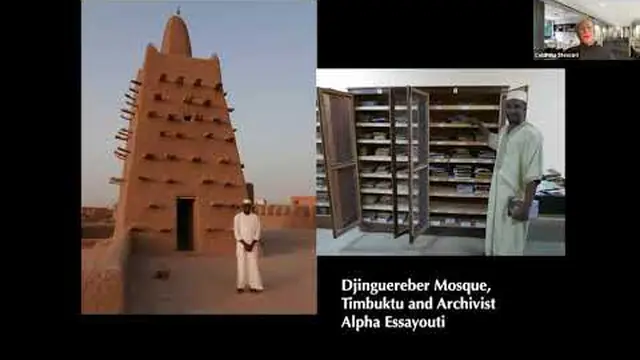
Part 1 Macrocosms · Keynote · 8 Sep
Showing the Medieval and Early Modern World as it Actually Was: the expansion of the work of HMML (the Hill Museum & Library) beyond monastic libraries in Europe to global preservation of handwritten heritage
Columba Stewart (Hill Museum and Manuscript Library)
Part 1 Macrocosms · Loss and Dispersal · 8 Sep
The Lost Patriarchs Project: discovering Greek patristics in the medieval Latin tradition
Scott Bruce (Fordham University)
Part 1 Macrocosms · Loss and Dispersal · 8 Sep
Fragments and Reconstructions: the written traces of polyphonic liturgical music in medieval Worcester and beyond
Karen Desmond (Brandeis University)
Part 1 Macrocosms · Loss and Dispersal · 8 Sep
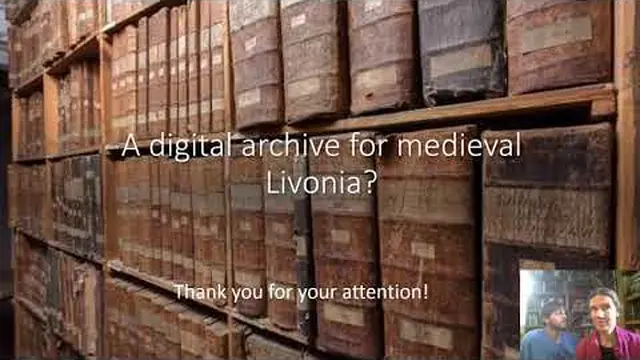
The Elusive Archives of Livonia
Anastasija Ropa and Edgar Rops (LASE Latvia)
Part 1 Macrocosms · Loss and Dispersal · 8 Sep
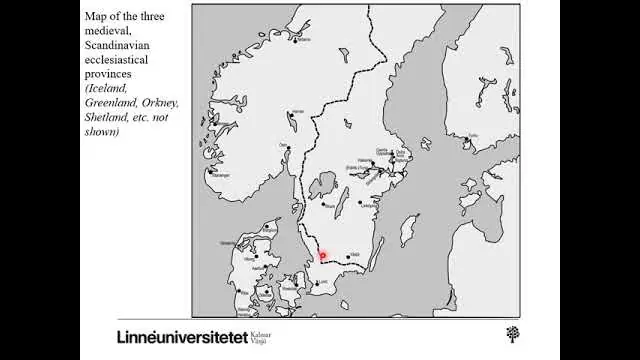
Using Manuscript Fragments to Map Lived Religion: the case of the cults of saints in medieval Sweden
Sara Elis-Nilsson (Linnaeus University and Lund University)
Part 1 Macrocosms · Loss and Dispersal · 8 Sep
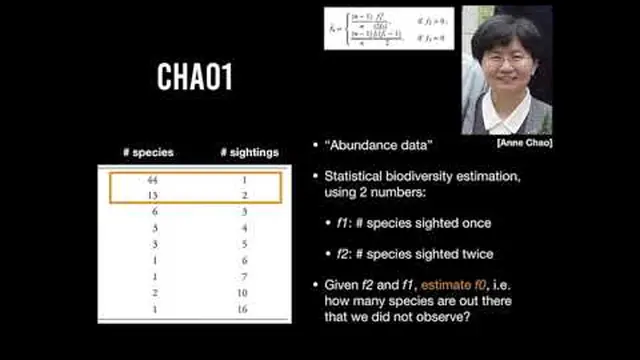
Estimating the Loss of Medieval Literature with an Unseen Species Model from Ecodiversity
Mike Kestemont (Antwerp University) and Folgert Karsdorp (KNAW: Royal Netherlands Academy of Arts and Sciences)
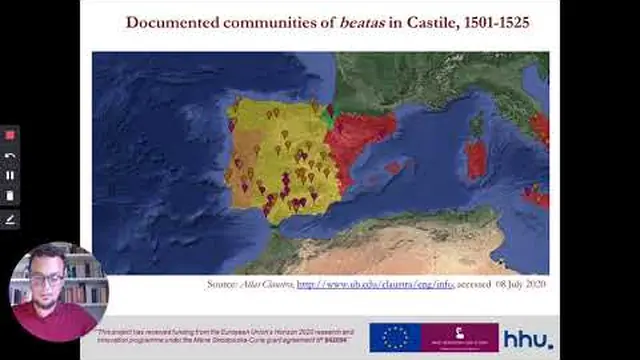
Part 1 Macrocosms · Loss and Dispersal · 8 Sep
Veiled Manuscripts: European female mystics’ writing in medieval Castile’s monastic libraries
Pablo Acosta-García (Heinrich Heine University Düsseldorf)
Part 1 Macrocosms · Inaccessibility and Bias · 8 Sep
The Dark Archive and the Silent Book: histories of access
Stacie Vos (University of San Diego)
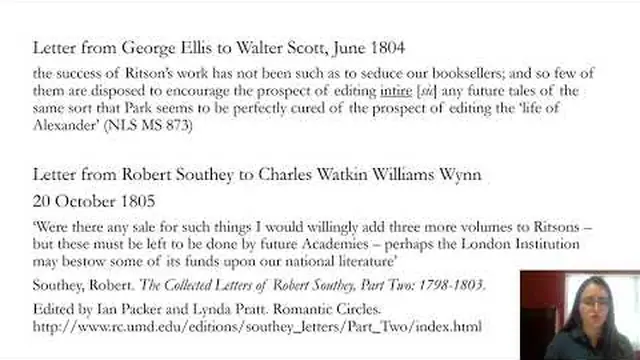
Part 1 Macrocosms · Inaccessibility and Bias · 8 Sep
Inaccessible and Inconvenient Archives at the Turn of the Century
Genevieve McNutt (Edinburgh University)
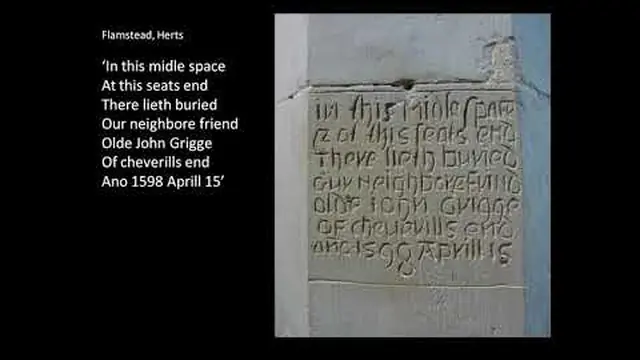
Part 1 Macrocosms · Inaccessibility and Bias · 8 Sep
A Sea of Lost Words: the medieval graffiti inscriptions of England's medieval churches
Matthew Champion (Norfolk Graffiti Survey)
Part 1 Macrocosms · Inaccessibility and Bias · 8 Sep
Book Ciphers and the Medieval Unreadable
Anna Dorofeeva (Durham University)
Part 1 Macrocosms · Inaccessibility and Bias · 8 Sep
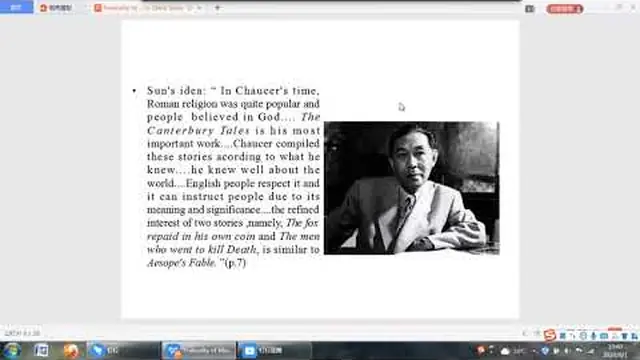
Digitalization and Practicalities of Medieval English Studies in China
Yating Zhang (Shaanxi Normal University)
Part 1 Macrocosms · Live discussion with the keynote speaker · 8 Sep
Q&A with Columba Stewart
Columba Stewart (Hill Museum and Manuscript Library); chair: Anthony J. Lappin
Part 1 Macrocosms · Live debate · 8 Sep
‘Loss and Dispersal’ debate
Chair: Elizabeth Solopova (University of Oxford)
Part 1 Macrocosms · Live debate · 8 Sep
‘Inaccessibility and Bias’ debate
Chair: Michael G. Sargent (City University of New York)
Part 1 Macrocosms · Live session · 8 Sep
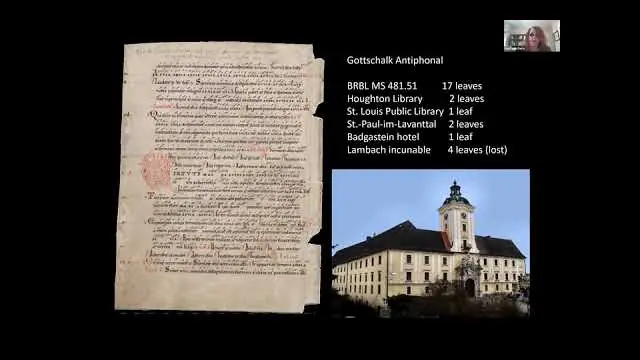
#PolonskyGerman #BloggingMSS Prize: Presentations
Organisers: Andrew Dunning, Henrike Lähnemann, Matthew Holford and Tuija Ainonen (Oxford)
Part 2 Microcosms · Keynote · 9 Sep
The Opportunities (and Limits) of Lockdown Digital Fragmentology
Lisa Fagin Davis (Medieval Academy of America)
Part 2 Microcosms · 9 Sep
The Book, The Whole Book, and Nothing But the... Digital Surrogate
Stewart Brookes (University of Oxford)
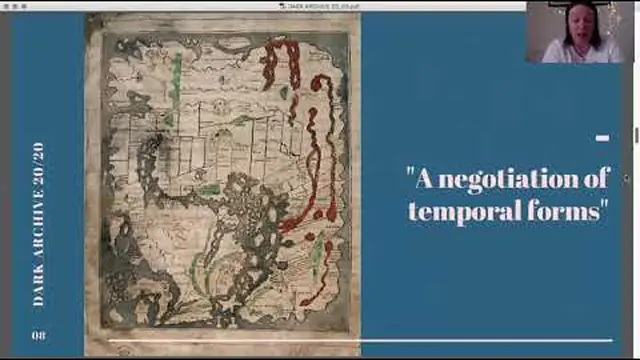
Part 2 Microcosms · 9 Sep
Let there be Light: The holy digitised artefact
Keri Thomas
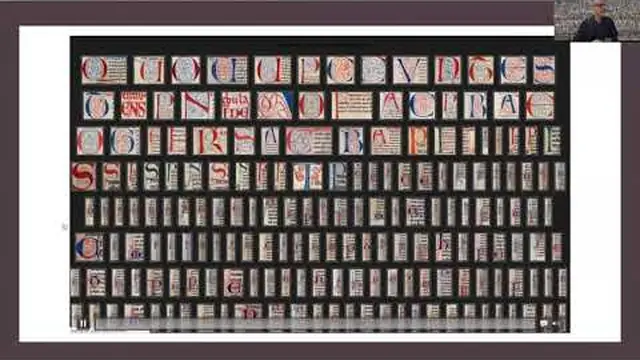
Part 2 Microcosms · 9 Sep
Found Within: discovery and complex objects
Benjamin L. Albritton (Stanford University)
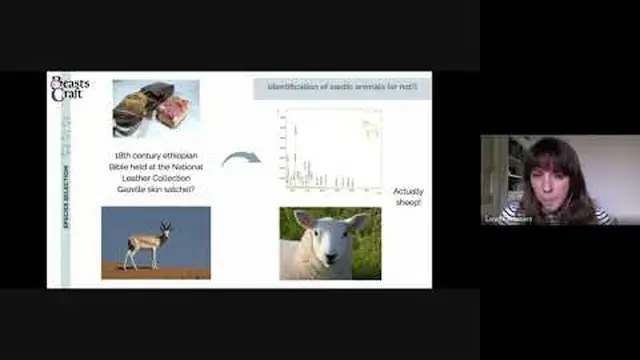
Part 2 Microcosms · 9 Sep
Reading the Invisible: can biocodicology help interpret the history of a manuscript?
Sarah Fiddyment (Cambridge University)
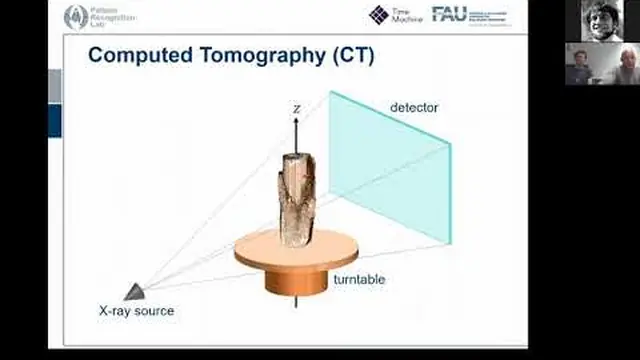
Part 2 Microcosms · 9 Sep
How to Read the Unreadable? Non-Invasive digitization of cultural heritage
Vincent Christlein and Daniel Stromer (Friedrich-Alexander University)
Part 2 Microcosms · 9 Sep
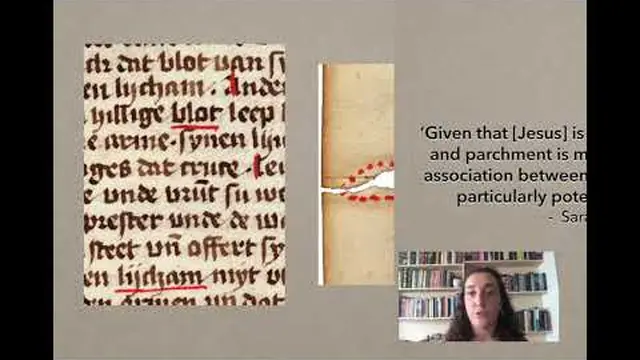
Reading the Unread: parchment damage in a fifteenth century Netherlandish prayer book
Sophie Clayton (University of Leeds)
Part 2 Microcosms · 9 Sep
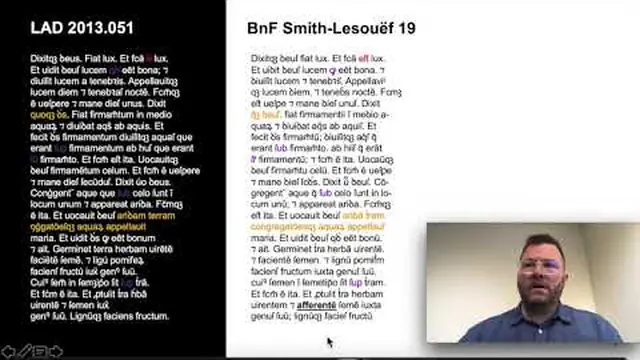
Rethinking the abbreviation: questions and challenges of machine reading medieval scripta
Estelle Guéville (Louvre Abu Dhabi) and David Joseph Wrisley (NYU Abu Dhabi)
Part 2 Microcosms · 9 Sep
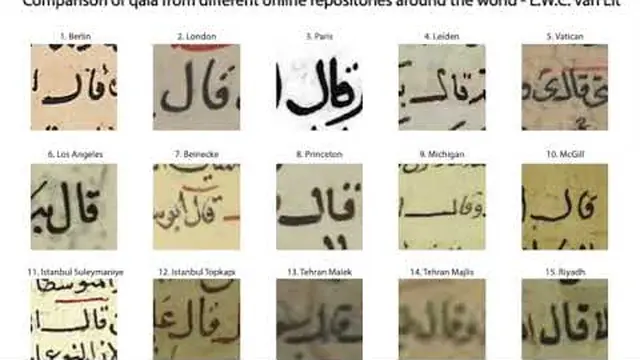
How Much of a Manuscript is a Digitized Manuscript?
Cornelis van Lit (Utrecht University)
Part 2 Microcosms · 9 Sep
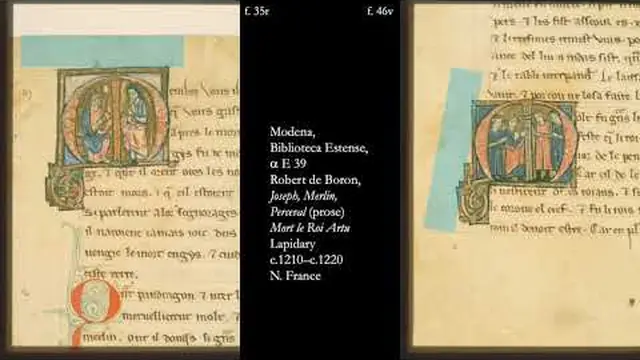
Beyond the Veil: manuscript curtains and the reading experience, medieval and modern
Henry Ravenhall (King's College London)
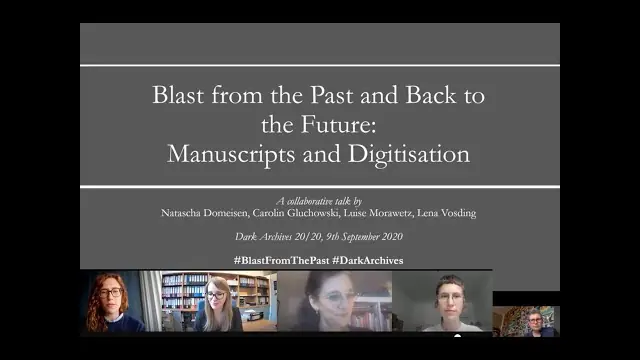
Part 2 Microcosms · 9 Sep
Blast from the Past and Back to the Future: manuscripts and digitisation
Luise Morawetz (SAW Leipzig), Natascha Domeisen (University of Oxford), Carolin Gluchowski (Fribourg) and Lena Vosding (University of Oxford)
Part 2 Microcosms · Live discussion with the keynote speaker · 9 Sep
Q&A with Lisa Fagin Davis
Lisa Fagin Davis (Medieval Academy of America); chair: Roger L. Martínez-Dávila (University of Colorado)
Part 2 Microcosms · Live debate · 9 Sep
‘The Whole Book?’ debate
Chair: Lisa Fagin Davis (Medieval Academy of America)
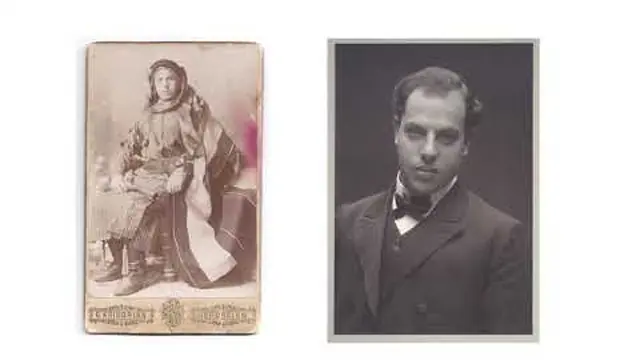
Part 3(a) The Future Archive · 9 Sep
The Curator in the Machine: balancing accessibility and experience in digitizing the Islamic manuscript collection of the National Library of Israel
Samuel Thrope (National Library of Israel)
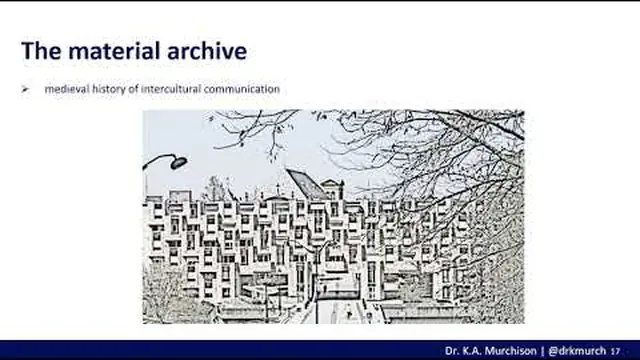
Part 3(a) The Future Archive · 9 Sep
(Re)collecting the Archive: recovering medieval manuscripts destroyed during WWII
Krista Murchison (University of Leiden)
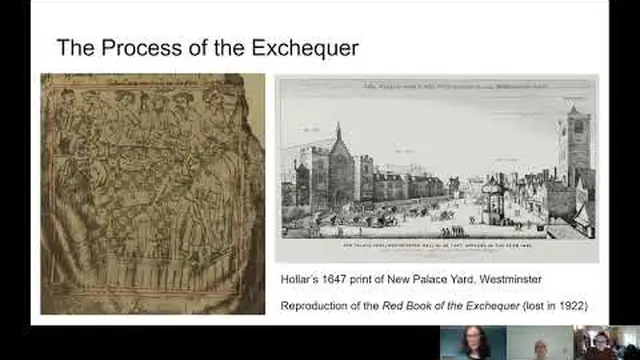
Part 3(a) The Future Archive · 9 Sep
There and Back Again with 2022: bringing Dublin's lost records back from Westminster
Elizabeth Biggs (Durham University), Paul Dryburgh (The National Archives) and Lynn Killgallon (Trinity College Dublin)
Part 3(a) The Future Archive · 9 Sep
Shedding Light on Middle High German Hymn Translations
Franziska Lallinger and Pavlina Kulagina (Humboldt University)
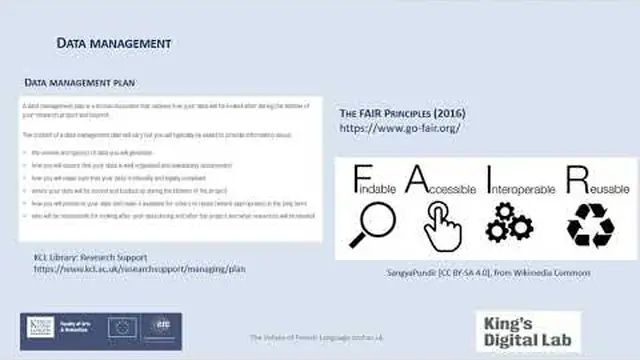
Part 3(a) The Future Archive · 9 Sep
Preserving the Materiality of the Digital: data management and sustainability in the context of a digital edition of L'histoire ancienne jusqu'à César
Natasha Romanova (King's College London)
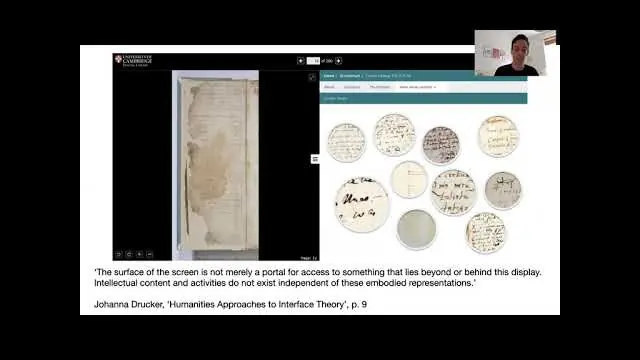
Part 3(a) The Future Archive · 9 Sep
‘Back up soon’: toward an infrastructural understanding of digital archives and digital failure
Thomas White (University of Oxford)
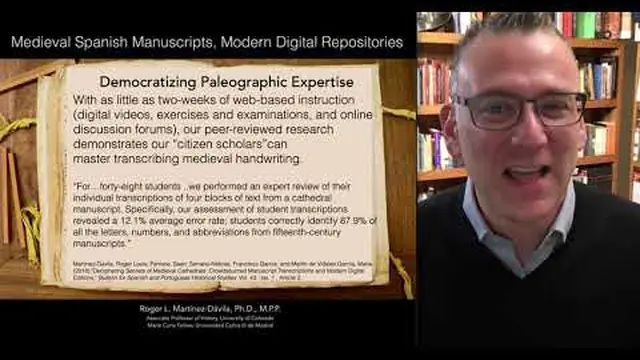
Part 3(a) The Future Archive · 9 Sep
Medieval Spanish Manuscripts, Modern Digital Repositories: the future of scholarly-curated thematic collections supported via public engagement
Roger L. Martínez-Dávila (University of Colorado), with Mary Rupp
Part 3(a) The Future Archive · 9 Sep
Manuscript Catalogues: unread and unreadable
Michelle R. Warren (Dartmouth College)
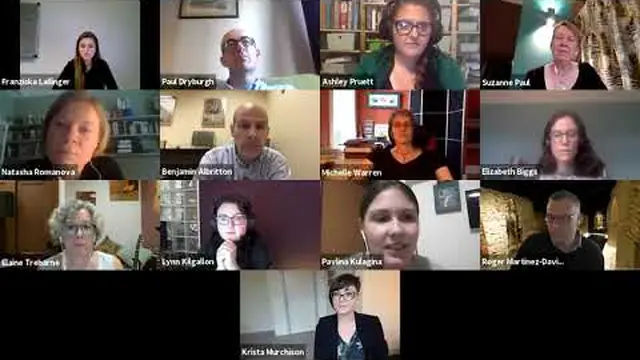
Part 3(a) The Future Archive · Live debate · 9 Sep
‘The Future Archive’ debate
Chair: Suzanne Paul (Cambridge University)
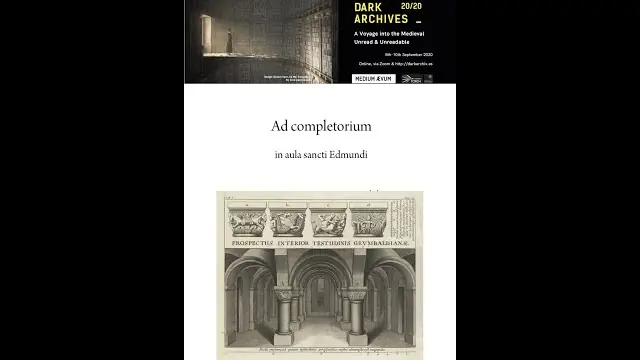
Compline from the Crypt · Live stream · 9 Sep
Compline: Ad completorium in aula sancti Edmundi
St Edmund Hall Chapel Choir and friends; director James Whitbourn
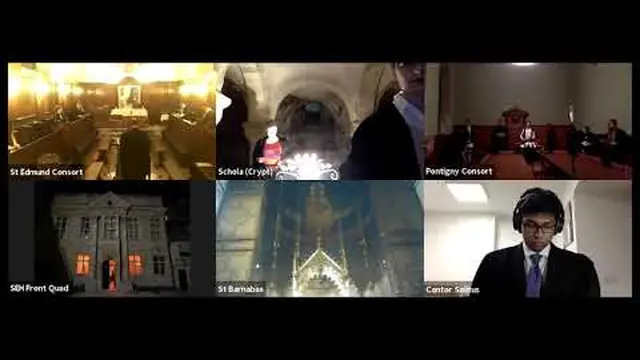
Compline recording
Compline from the Crypt
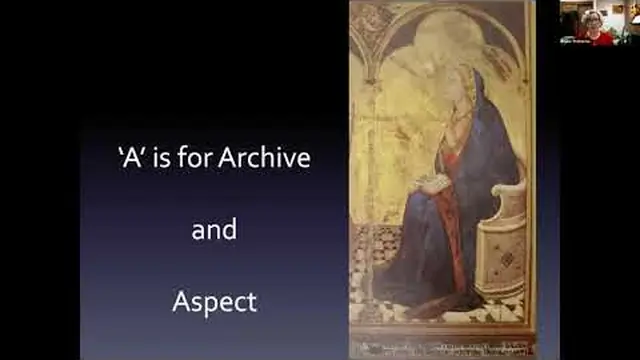
Part 3(b) The Future of Scholarship · Keynote · 10 Sep
Seeing and Being Seen: digital manuscripts and their viewers
Elaine Treharne (Stanford University)
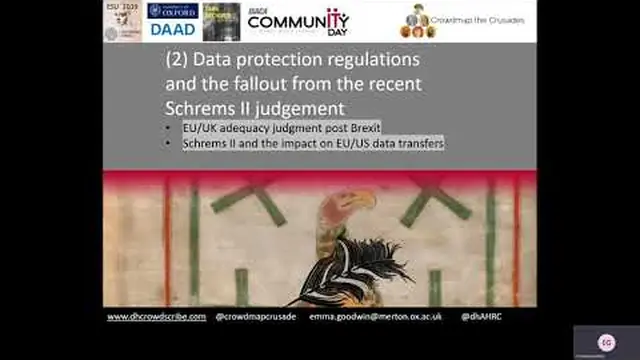
Part 3(b) The Future of Scholarship · 10 Sep
Crowdsourcing in a Time of Data Protection and Covid-19: the case study of Crowdmap-the-Crusades
Emma Goodwin (University of Oxford)
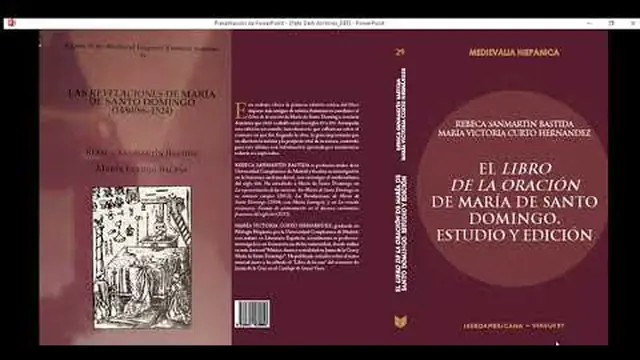
Part 3(b) The Future of Scholarship · 10 Sep
Medieval Digital Visionary Women: editing the wiki ‘Catalogue of Living Saints’
Rebeca Sanmartin Bastida (Complutense University of Madrid) and Pablo Acosta-García (Heinrich Heine University Düsseldorf)
Part 3(b) The Future of Scholarship · 10 Sep
The Changing Paradigms of the Digital Production and Communication of Medieval Scholarship: some reflections on openness
Ulrike Wuttke (University of Applied Sciences Potsdam)
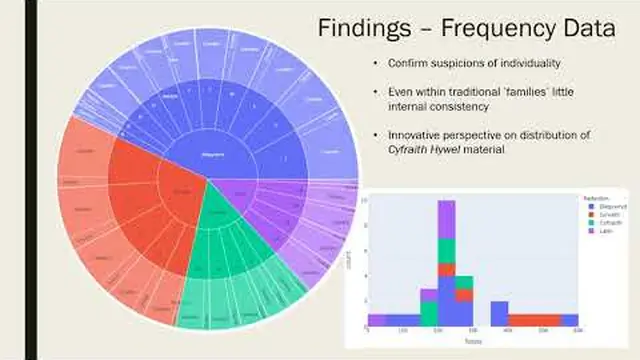
Part 3(b) The Future of Scholarship · 10 Sep
Using Semantic Textual Encoding to Support the Navigation and Analysis of Medieval Texts
Zoe Bartliff (University of Glasgow)
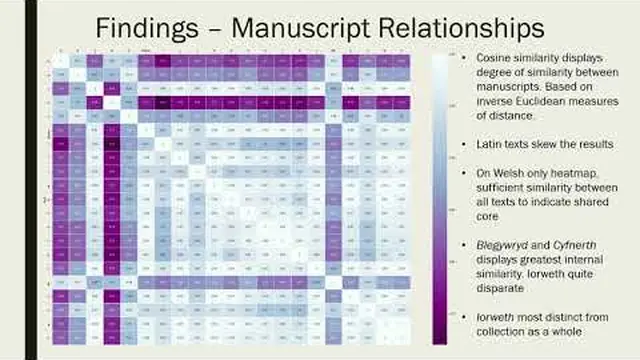
Part 3(b) The Future of Scholarship · 10 Sep · Second upload of the same talk
Using Semantic Textual Encoding to Support the Navigation and Analysis of Medieval Texts
Zoe Bartliff (University of Glasgow)
Part 3(b) The Future of Scholarship · 10 Sep
From the Library of Babel to Arcologies of Information
Michael G. Sargent (City University of New York)
Part 3(b) The Future of Scholarship · Live discussion with the keynote speaker · 10 Sep
Q&A with Elaine Treharne
Elaine Treharne (Stanford University); chair: Stephen Pink
Part 3(b) The Future of Scholarship · Live debate · 10 Sep
‘The Future of Scholarship’ debate
Chair: Peter Frankopan (University of Oxford)
Part 3(b) The Future of Scholarship · Live session · 10 Sep
#PolonskyGerman #BloggingMSS Prize: Laudationes and Award Ceremony
Organisers: Andrew Dunning, Henrike Lähnemann, Matthew Holford and Tuija Ainonen
Promotional clip
The 2020 Medium Ævum Essay Prize
- programmeDark Archives 20/20: A Voyage into the Medieval Unread and UnreadableArchived copy. The conference website’s front page as captured on 19 October 2020: every pre-released talk with its speaker, and the live sessions. The original site is no longer online.
- programmePer-session pages with abstracts (original conference site)Archived copy. Parts 1, 2 and 3, with an abstract and a video for each talk.
- programmeProvisional programme (PDF, 26 August 2020)Seven pages, hosted by the Visionarias project. The organisers’ own final programme PDF is no longer available.
- websiteDark Archives 20/20: A Conference on the Medieval Unread and Unreadable (TORCH event page)Day 1 Macrocosms, Day 2 Microcosms, Day 3 Futures.
- websiteDark Archives 20/20 (Medium Ævum website)Event listing only, with the dates and the banner.
- websiteRegistration page (Eventbrite)Registration page; the event has ended.
- newsDark Archives 20/20 news item (Visionarias project)In Spanish, 8 September 2020: announces the talk by Rebeca Sanmartin Bastida and Pablo Acosta-García and links the programme PDF.
- call for papersDark Archives 20/20: A Conference on the Medieval Unread and Unreadable (TORCH call for papers, 31 July 2020)Archived copy. Abstracts of up to 500 words by 31 July 2020.
- call for papersCFP: Dark Archives 20/20 (Medieval Art Research, 11 July 2020)Third-party repost of the call; deadline 31 July 2020.
- call for papersDark Archives 20/20 call for papers (architexturez.net listing)Third-party aggregator copy of the call.
- poster‘Registrations Open’ poster image (TORCH)Image file on the TORCH event page.
- posterConference banner (Medium Ævum website)Image file on the Medium Ævum event page.
- handoutAd completorium in aula sancti Edmundi: Compline order of serviceArchived copy. 20-page booklet for the Compline sung for the conference; director James Whitbourn, editor Andrew Dunning.
- referencesMichelle R. Warren, ‘Manuscript Catalogues: Unread and Unreadable’ (reference list)Archived copy. Three-page reference list for her talk.
- playlistDA2020: 1a Macrocosms, ‘Loss and Dispersal’Session playlist: Part 1 Macrocosms, ‘Loss and Dispersal’ (8 September 2020).
- playlistDA2020: 1b. Macrocosms: Inaccessibility and BiasSession playlist: Part 1 Macrocosms, ‘Inaccessibility and Bias’ (8 September 2020).
- playlistDA2020: 2. MicrocosmsSession playlist: Part 2 Microcosms (9 September 2020).
- playlistDA2020: 3a. Massive, Open Online .. The Future Archive?Session playlist: Part 3(a), ‘The Future Archive?’ (9 September 2020).
- playlistDA2020: 3b. Massive, Open Online .. The Future of Scholarship?Session playlist: Part 3(b), ‘The Future of Scholarship?’ (10 September 2020).
- playlistDA 20/20: #PolonskyGerman #BloggingMSS PrizeChannel playlist: the presentations of 8 September and the prize ceremony of 10 September.
- playlistRelated (channel playlist)One video: an interview with Andrew Prescott.
- blog postRunning the Dark Archives (Oxford Medieval Studies, 30 September 2020)Two Oxford graduate students who took an active part in the conference reflect on their experience.
- blog postOnline Resources for Medievalists (Oxford Medieval Studies, 3 November 2020)Points readers to the Dark Archives pages.
- blog postThe Opportunities (and Limits) of Lockdown Digital Fragmentology (Medievalists.net)Lisa Fagin Davis’s keynote of 9 September 2020, with the video and abstract; posted 24 October 2020.
- blog postEstimating the Loss of Medieval Literature with an Unseen Species Model from Ecodiversity (Medievalists.net)The talk by Mike Kestemont and Folgert Karsdorp, with the video; posted 15 June 2021.
- blog postAbstract: Rethinking the Abbreviation. Questions and Challenges of Machine Reading Medieval Scripta (Paris Bible Project)Abstract of the talk by Estelle Guéville and David Joseph Wrisley, 9 September 2020; published under a CC BY-NC-SA 4.0 licence.
- related blog postReaching out with medieval manuscripts (Oxford Medieval Studies, 22 July 2020)On the Blogging with Manuscripts fringe sessions at IMC Leeds 2020: blogs submitted by 22 August were eligible for the #PolonskyGerman blogging challenge, with prizes awarded at Dark Archives 20/20.
- related blog postBlogging with medieval manuscripts (Bodleian / Herzog August Bibliothek blog, 14 September 2020)Results of the blogging competition, awarded at Dark Archives on 10 September 2020: Luise Morawetz (challenge award) and Natascha Domeisen (popular choice).
- videoThe Lost Patriarchs Project: discovering Greek patristics in the medieval Latin tradition (Scott Bruce’s own upload)The same talk as shown above, on Scott Bruce’s own YouTube channel.
- videoMedieval Spanish Manuscripts, Modern Digital Repositories (Roger L. Martínez-Dávila’s own upload)The same talk as shown above, on Roger L. Martínez-Davila’s own YouTube channel.
- videoA Sea of Lost Words: The Medieval Graffiti Inscriptions of England's Parish Churches (Matthew Champion’s own upload)The same paper as shown above, on Matthew Champion’s own YouTube channel.
- videoAndrew Prescott: Libraries and Archives (interview by Elaine Treharne)On the Libraries, Archives, Primary Sources YouTube channel; listed in the Dark Archives channel’s ‘Related’ playlist.
Dark Archives 20/21: Birth of the UnEdition
February–March 2021 · Inter-conference forum; live seminar on Thursday 18 March 2021, 4pm GMT
An inter-conference forum ‘featuring blogs, videos, chat, and online seminars, following up on the many issues that arose from the DarkArchives conferences in 2019 and 2020’. Panellists published their presentations in advance of the first live seminar, ‘The Birth of the UnEdition’, held on Zoom on Thursday 18 March 2021 at 4pm GMT.
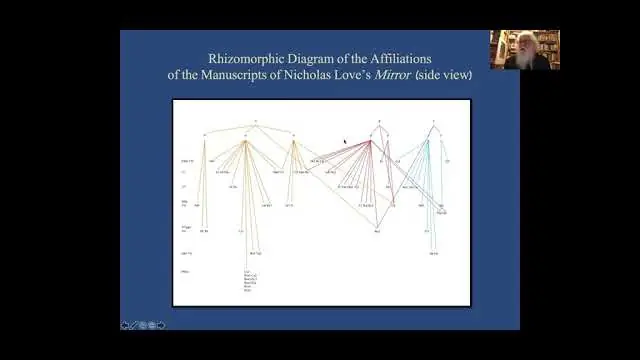
Birth of the UnEdition · Panel presentation
Collations / Input / Presentation
Michael G. Sargent
Birth of the UnEdition · Panel presentation
Towards an un-edition of Sir John Mandeville
Anthony Bale
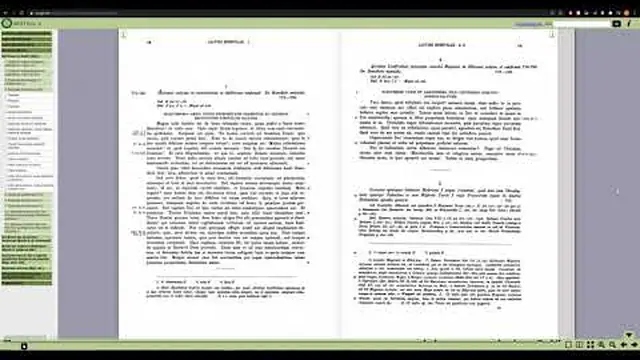
Birth of the UnEdition · Panel presentation
Leveraging the UnEdition: Medieval Latin Data Augmentation with Manuscript Readings
William Mattingly
Birth of the UnEdition · Panel presentation
Community, Collaboration, and the UnEdition
Laura Morreale and Ben Albritton
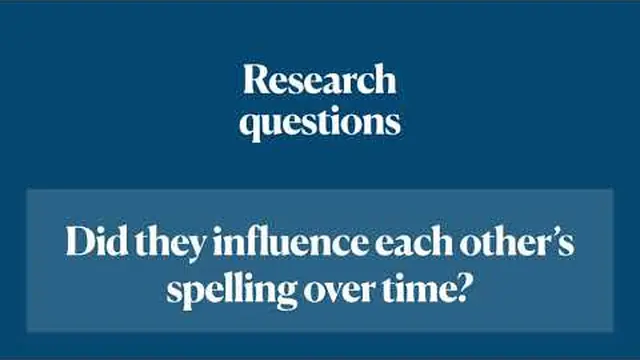
Birth of the UnEdition · Panel presentation
UnEditing the Unspoken
Mike Kestemont and Wouter Haverals
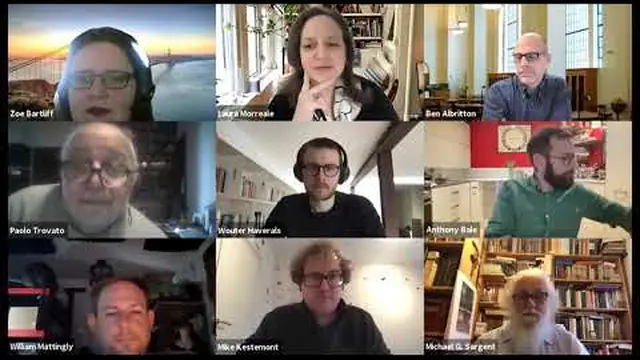
Live seminar on Zoom · 18 Mar, 4pm GMT
The Birth of the UnEdition: colloquium
Chair: Paolo Trovato; panellists: Michael G. Sargent, Anthony Bale, Laura Morreale, Ben Albritton, William Mattingly, Mike Kestemont, Wouter Haverals and Zoe Bartliff
- websiteDarkArchives 20/21 (forum page on the original conference site)Archived copy. The forum’s front page, announcing the live seminar of 18 March 2021.
- programmeBirth of the UnEdition (panel page on the original conference site)Archived copy. The panel page, with its presentations and the colloquium recording. The panel asks: ‘How and why might one incorporate the medieval Unread and Unreadable … into scholarship?’
- paperFirst steps towards an UnEdition of Cyfraith HywelArchived copy. Written paper by Zoe Bartliff for the panel.
- playlistDA20/21: Birth of the UnEditionChannel playlist for the panel.
Digital Editions Live workshop
25 June 2021, 3–5pm
A methodology workshop ‘in cooperation with OCTET and Dark Archives’, held after the Oxford History of the Book’s Digital Editions Live series to reflect on the methodology of editing, presenting and teaching History of the Book. Stephen Pink chaired Panel A, ‘Expanding Unicode’.
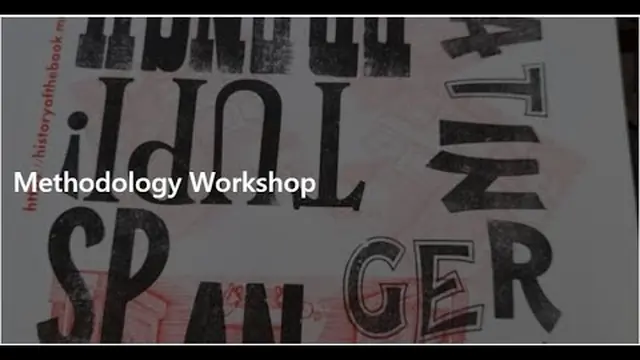
- programme‘Digital Editions Live’: Workshop 25 June 2021, 3–5pm (Oxford History of the Book)Programme: four panels, including Panel A, ‘Expanding Unicode’, chaired by Stephen Pink, and a roundtable.
- blog postDigital Editions Live: Launching the Oxford History of the Book Projects 2021Series page; it records that a workshop ‘in conjunction with Dark Archives’ took place on 25 June.
Publications
- bookDark Archives, Vol. 1. Voyages into the Medieval Unread & Unreadable, 2019-2021Medium Ævum Monographs N.S. 43. Edited by Stephen Pink and Anthony Lappin; Society for the Study of Medieval Languages and Literature, 2022. Select proceedings of the Dark Archives events of 2019–2021. Hardback ISBN 978-1-911694-12-0, paperback 978-1-911694-13-7, e-book (PDF) 978-1-911694-14-4.
- bookDark Archives, Vol. 1: the earlier publisher page (aevum.space/NS43)Archived copy. The earlier publisher page on the original Medium Ævum site, as captured on 24 September 2023.
- articleThe Emergence of the Medieval Graphosphere at the Dark Archives ConferencesBy Stephen Pink and Anthony Lappin, Oxford Medieval Studies, 6 February 2023; adapts the Introduction to Dark Archives Volume I.
- repository recordThe Lost Patriarchs Project: discovering Greek patristics in the medieval Latin tradition (video and transcript, Zenodo)Scott Bruce’s talk for Dark Archives 20/20, with a transcript; CC BY 4.0. DOI 10.5281/zenodo.4265203.
- newsletterMedieval Matters: Week 4 (Oxford Medieval Studies newsletter, 6 February 2023)Announces that ‘The Dark Archives 19-21 Proceedings … are going to print this week!’
- catalogue recordDark Archives: Volume I. Voyages Into the Medieval Unread and Unreadable, 2019-2021 (Google Books)Catalogue record, 416 pages; listing only, no preview.
- catalogue recordDark Archives, 2022 (Open Library)Catalogue record for the paperback, ISBN 978-1-911694-13-7.
Most of the videos are on the Dark Archives channel on YouTube; those on other public channels say so. Not every session has a public recording: this page lists what is publicly available. The original conference website is no longer online, so where only a copy of a page survives, the link goes to the Internet Archive and is marked “archived copy”.